
-
-
-
Service
-
-
Contact
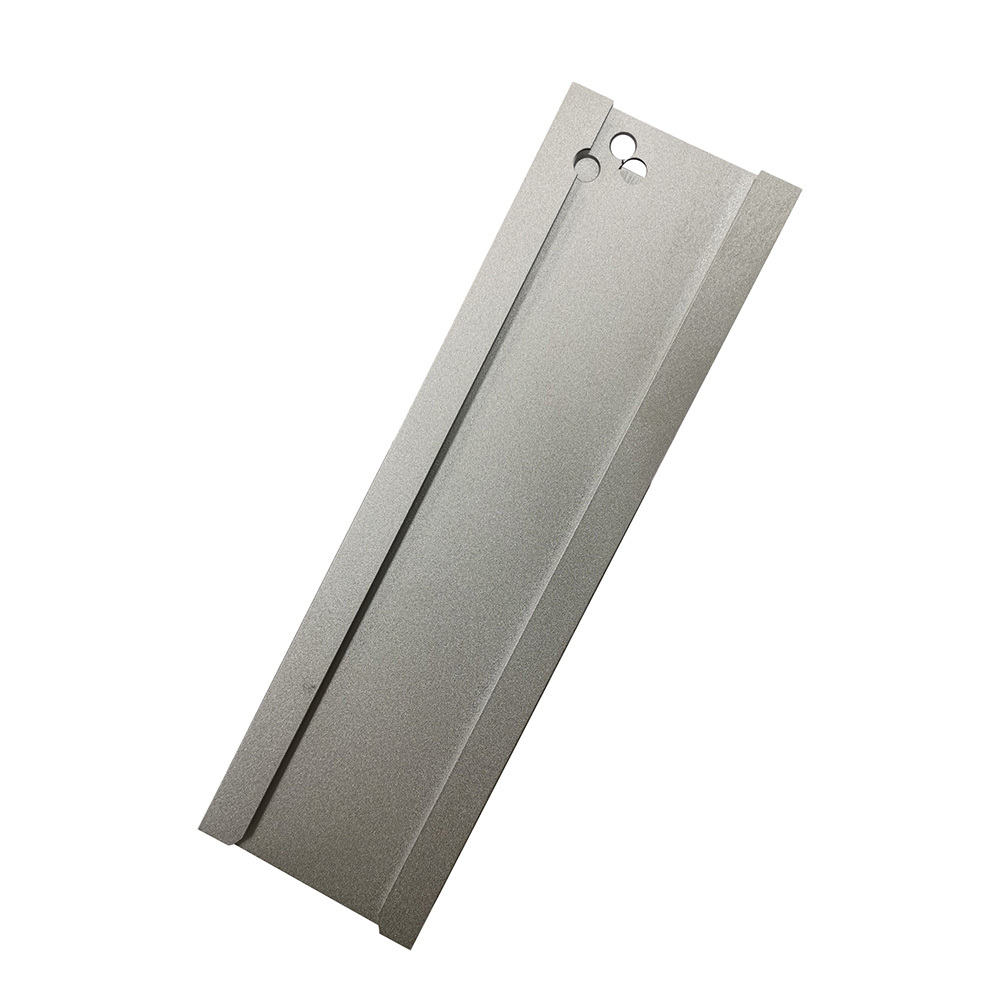
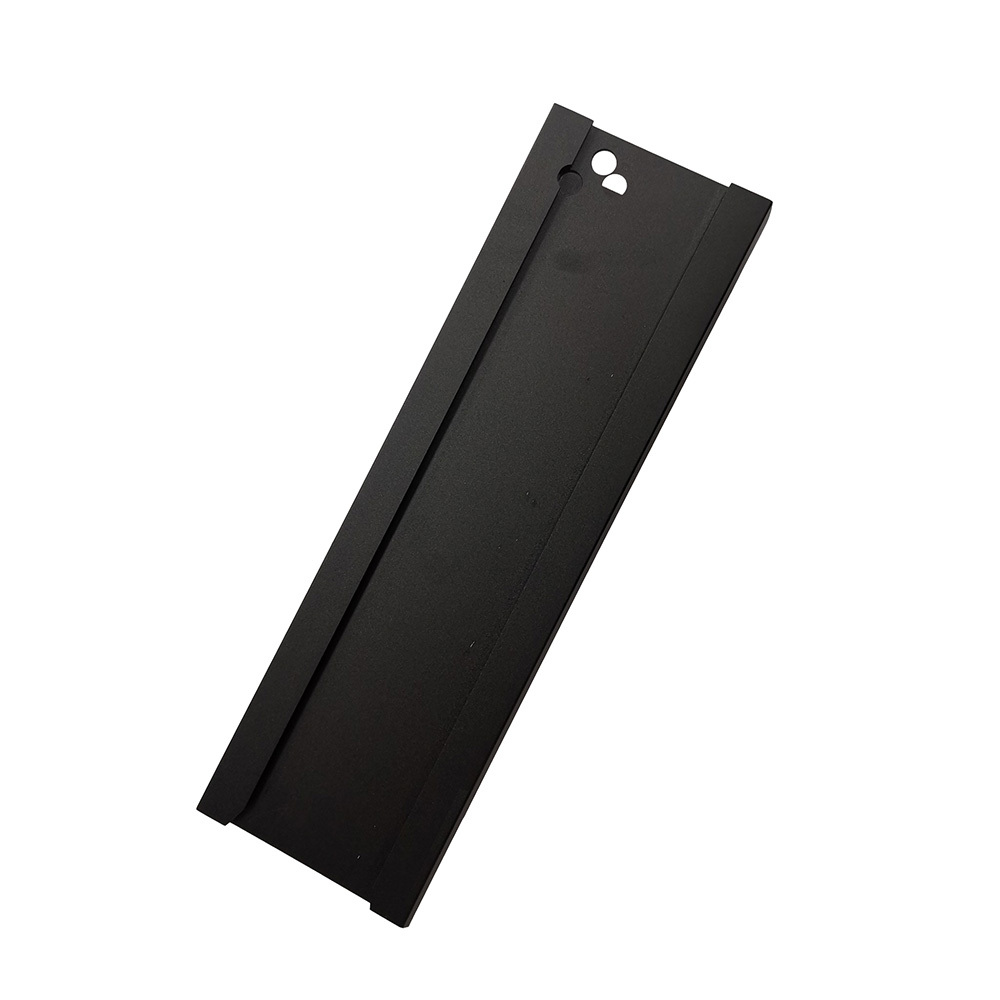
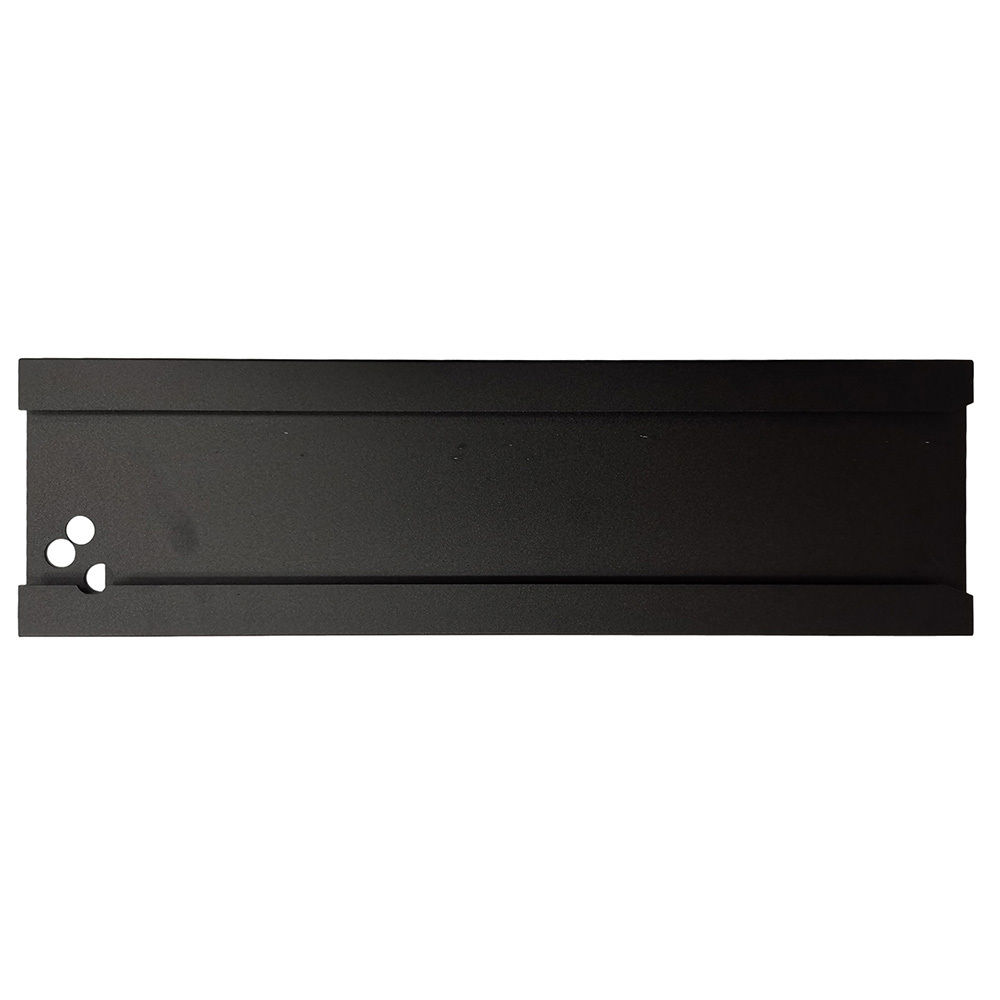
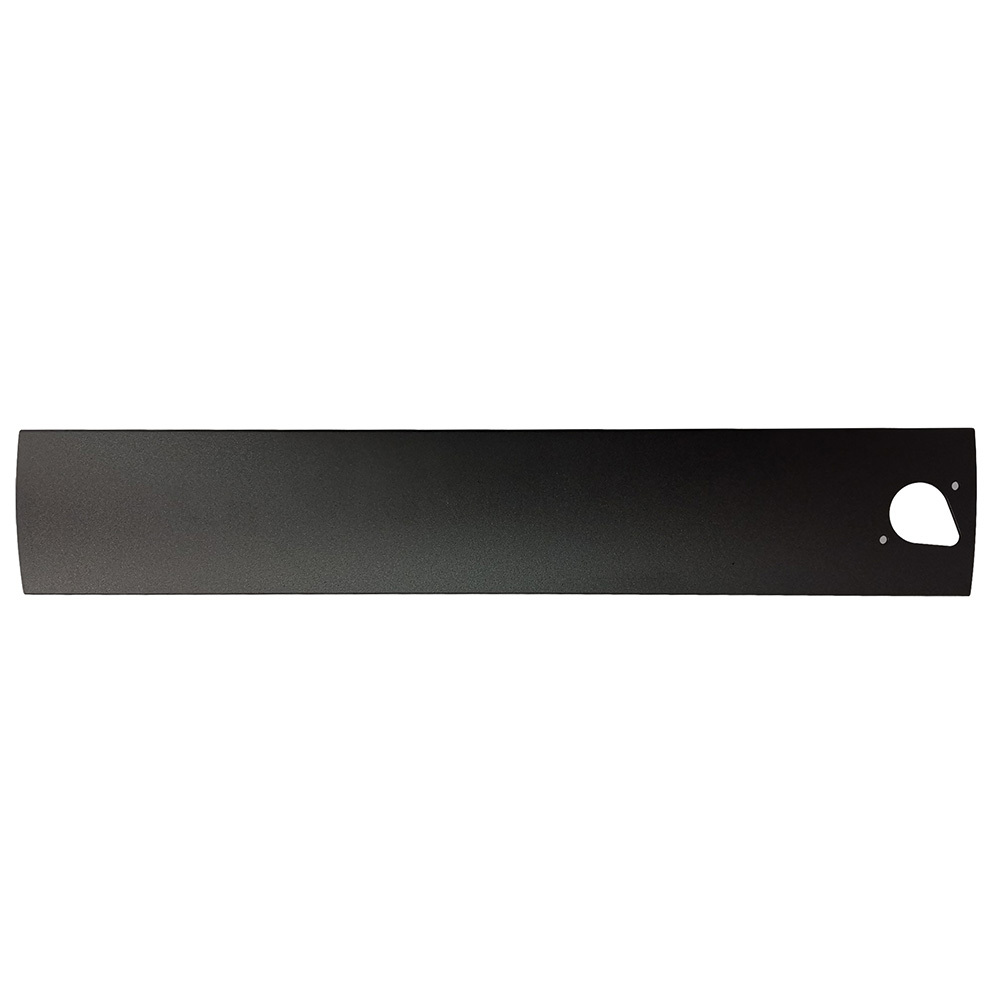
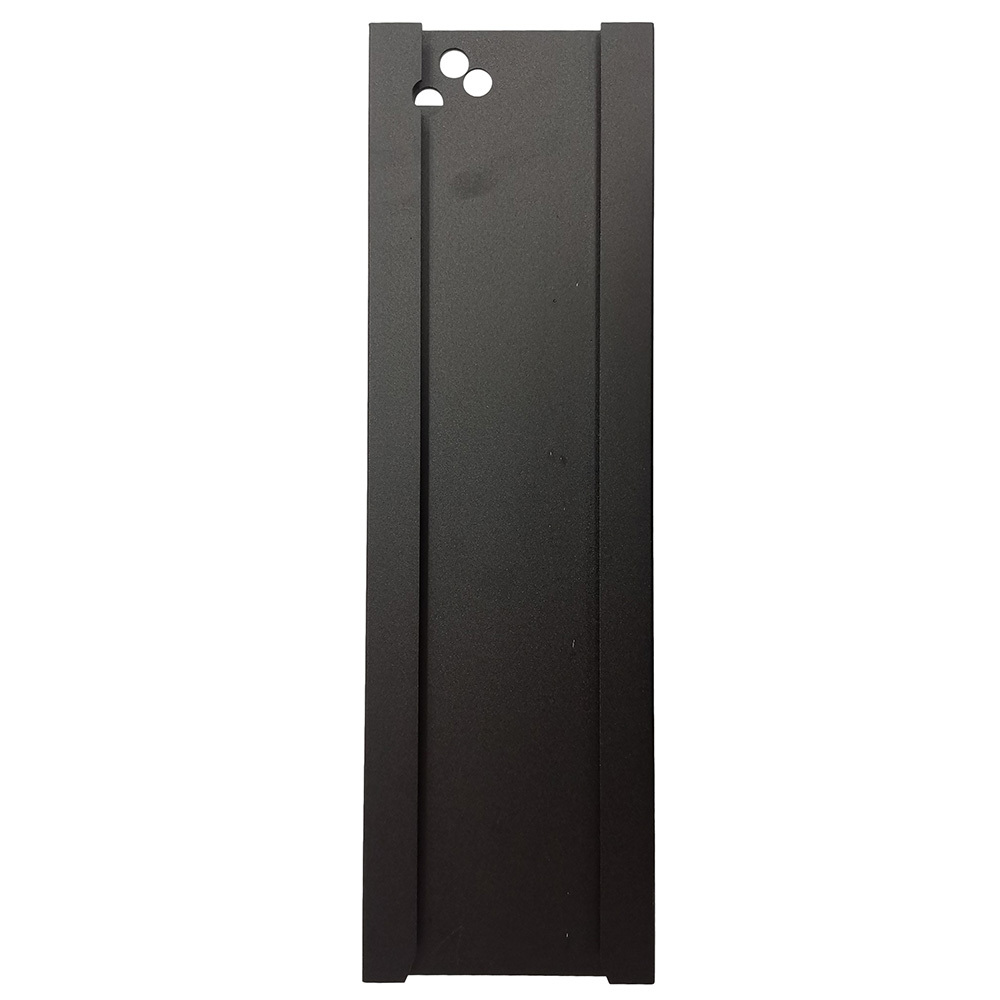
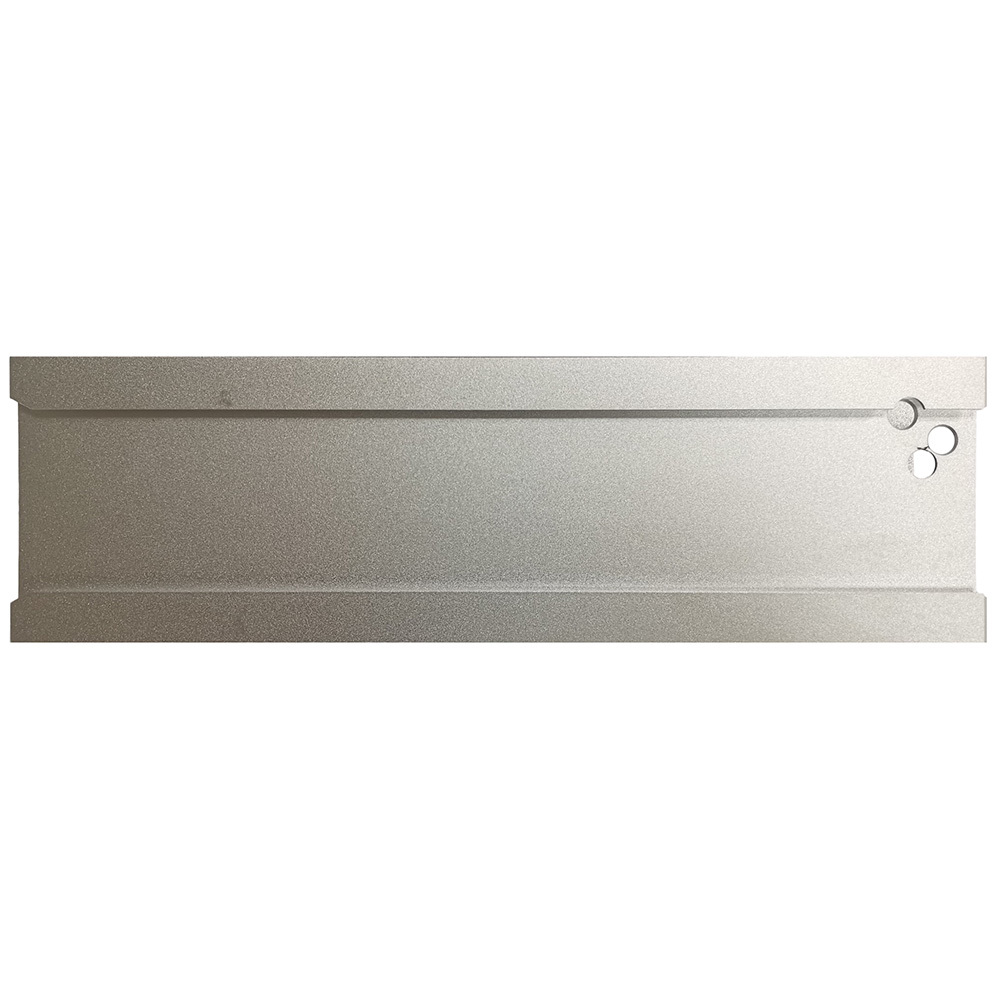
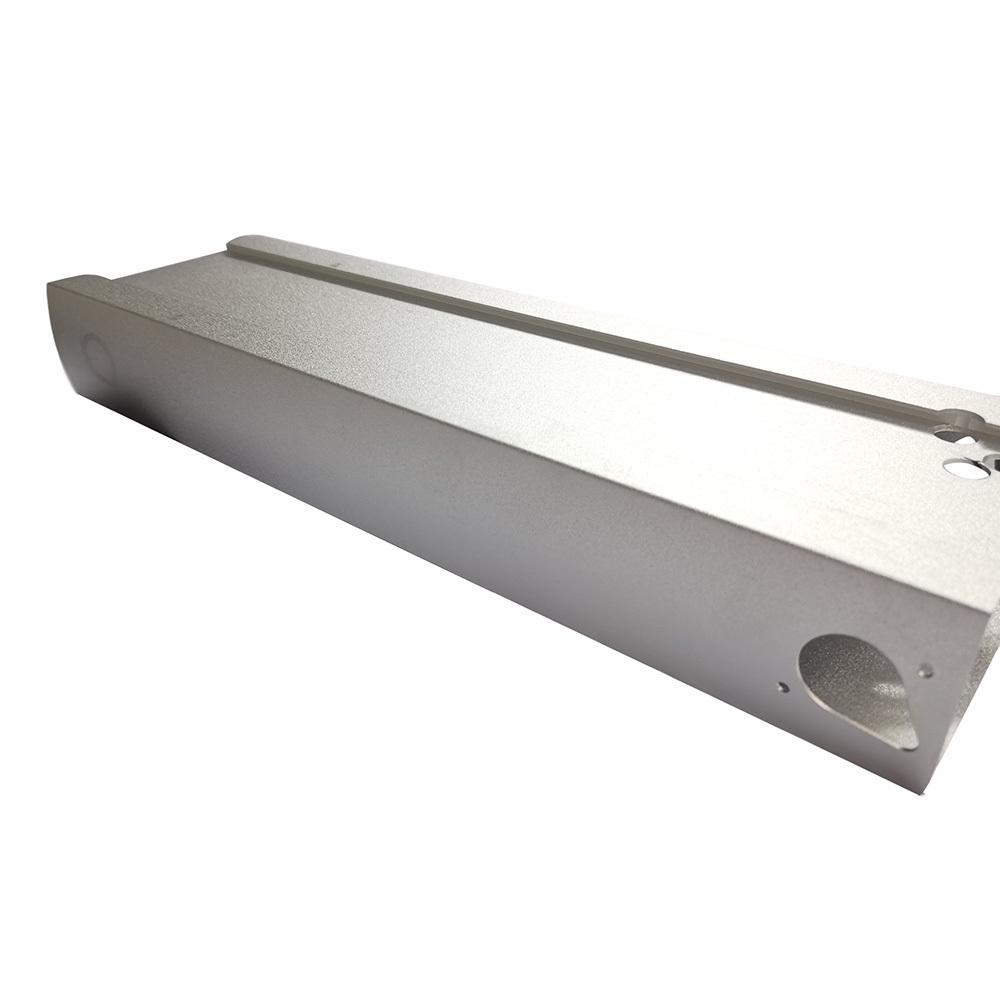
Aluminum barrel YJ1 series
Common aluminum Electrophoretic aluminum profile 1. Extremely strong corrosion resistance: the surface has extremely high corrosion resistance, which can effectively prevent acid, alkali and salt corrosion. It is the best variety to prevent corrosion of building mortar 2. Satisfactory performance and service life, even in harsh and harsh environments, it can ensure a service life of more than 50 years without corrosion, aging, fading and falling off 3. The handle is smooth and delicate, and the appearance is bright and magnificent. There are many colors to choose from. 4. The paint film has high hardness. It can withstand painting and engraving of aluminum pen hardness of more than 3H. Oxidizing Aluminum oxide is formed by artificially forming a protective oxide film on the surface of the substrate by electrolyzing the substrate as an anode in an electrolyte. Main features of aluminum oxide: 1. It has strong wear resistance, weather resistance and corrosion resistance. 2. A variety of colors can be formed on the surface of the substrate to maximize your requirements. 3. Strong hardness, suitable for the production of various building and industrial materials. Rare earth foam Metal foam is a new kind of engineering material with integrated physical function and structure. Its many excellent physical properties make it widely used in many fields such as noise reduction, shock absorption, separation engineering, catalytic carrier, shielding protection, energy absorption and cushioning. Among them, foam aluminum made of rare earth aluminum alloy is also considered as a promising excellent material for future automobiles, ships and other transportation vehicles. It is understood that the preparation methods of metal foam materials generally include: powder metallurgy, which can be divided into loose sintering and reaction sintering; Seepage method; Sintering dissolution method; Melt foaming method; Eutectic directional solidification method, etc. Among these preparation methods, the melt foaming method has the most prospect of industrial production because of its relatively simple production process and low cost. The metal foam materials supplied in the Japanese market are mainly foam aluminum blocks produced by melt foaming method. The technical difficulties of the melt foaming method lie in: controlling the viscosity of the melt; Select appropriate metal blowing agent. In general, the viscosity of the melt is required to be high, and the foaming agent used is required to bubble rapidly near the melting point of the metal. The process is divided into two parts: 1. Development of rare earth aluminum alloy; 2. Preparation of rare earth foam aluminum alloy. The development of rare earth aluminum alloy can not only improve the strength of the alloy, but also reduce the melting temperature of the alloy, which is conducive to the preparation of high strength rare earth foam aluminum alloy. Under a certain alloy viscosity, it is the technical key to prepare foam metal to evenly disperse and foam in the melt with a suitable foaming agent. The content of rare earth in the rare earth additive of rare earth aluminum alloy ranges from 0.1% to 0.7%. The rare earth foam aluminum alloy is prepared by melt foaming method. The aluminum alloy is used as the base metal and melted with the self-made rare earth additive in the molten state. After the rare earth aluminum alloy melt is obtained, the metal tackifier and foaming agent are added, and the foaming reaction is carried out in the rare earth aluminum alloy foaming pool. After molding, the rare earth foam aluminum alloy is obtained. Architecture Building products made of aluminum and aluminum alloy materials. Usually, it is processed into cast products, forged products, foils, plates, belts, pipes, bars, profiles, etc., and then made through cold bending, sawing, drilling, assembly, coloring and other processes. Performance pure aluminum has low strength, and its use is limited. However, by adding a small amount of one or several alloying elements, such as magnesium, silicon, manganese, copper, zinc, iron, chromium, titanium, etc., aluminum alloys with different properties can be obtained. After cold working and heat treatment, the aluminum alloy is further strengthened and hardened, and its tensile strength is greatly improved. The standard potential of aluminum is - 1.67 V, and its chemical property is very active. It is easy to react with oxygen in the air to form a solid and dense oxide film. Therefore, aluminum has good corrosion resistance in ordinary atmosphere and clean water. However, it will cause electrochemical corrosion when it contacts steel or other metal materials, corrosion when it contacts alkaline materials such as concrete, cement mortar and lime in a humid environment, and corrosion when it contacts wood and soil. Therefore, proper anti-corrosion treatment is required. Production methods aluminum alloys can be divided into cast aluminum alloys and deforme
key word:
Category::
Product description
Common aluminum
Electrophoretic aluminum profile
1. Extremely strong corrosion resistance: the surface has extremely high corrosion resistance, which can effectively prevent acid, alkali and salt corrosion. It is the best variety to prevent corrosion of building mortar
2. Satisfactory performance and service life, even in harsh and harsh environments, it can ensure a service life of more than 50 years without corrosion, aging, fading and falling off
3. The handle is smooth and delicate, and the appearance is bright and magnificent. There are many colors to choose from.
4. The paint film has high hardness. It can withstand painting and engraving of aluminum pen hardness of more than 3H.
Oxidizing
Aluminum oxide is formed by artificially forming a protective oxide film on the surface of the substrate by electrolyzing the substrate as an anode in an electrolyte.
Main features of aluminum oxide:
1. It has strong wear resistance, weather resistance and corrosion resistance.
2. A variety of colors can be formed on the surface of the substrate to maximize your requirements.
3. Strong hardness, suitable for the production of various building and industrial materials.
Rare earth foam
Metal foam is a new kind of engineering material with integrated physical function and structure. Its many excellent physical properties make it widely used in many fields such as noise reduction, shock absorption, separation engineering, catalytic carrier, shielding protection, energy absorption and cushioning. Among them, foam aluminum made of rare earth aluminum alloy is also considered as a promising excellent material for future automobiles, ships and other transportation vehicles.
It is understood that the preparation methods of metal foam materials generally include: powder metallurgy, which can be divided into loose sintering and reaction sintering; Seepage method; Sintering dissolution method; Melt foaming method; Eutectic directional solidification method, etc. Among these preparation methods, the melt foaming method has the most prospect of industrial production because of its relatively simple production process and low cost. The metal foam materials supplied in the Japanese market are mainly foam aluminum blocks produced by melt foaming method.
The technical difficulties of the melt foaming method lie in: controlling the viscosity of the melt; Select appropriate metal blowing agent. In general, the viscosity of the melt is required to be high, and the foaming agent used is required to bubble rapidly near the melting point of the metal.
The process is divided into two parts: 1. Development of rare earth aluminum alloy; 2. Preparation of rare earth foam aluminum alloy.
The development of rare earth aluminum alloy can not only improve the strength of the alloy, but also reduce the melting temperature of the alloy, which is conducive to the preparation of high strength rare earth foam aluminum alloy. Under a certain alloy viscosity, it is the technical key to prepare foam metal to evenly disperse and foam in the melt with a suitable foaming agent. The content of rare earth in the rare earth additive of rare earth aluminum alloy ranges from 0.1% to 0.7%.
The rare earth foam aluminum alloy is prepared by melt foaming method. The aluminum alloy is used as the base metal and melted with the self-made rare earth additive in the molten state. After the rare earth aluminum alloy melt is obtained, the metal tackifier and foaming agent are added, and the foaming reaction is carried out in the rare earth aluminum alloy foaming pool. After molding, the rare earth foam aluminum alloy is obtained.
Architecture
Building products made of aluminum and aluminum alloy materials. Usually, it is processed into cast products, forged products, foils, plates, belts, pipes, bars, profiles, etc., and then made through cold bending, sawing, drilling, assembly, coloring and other processes.
Performance pure aluminum has low strength, and its use is limited. However, by adding a small amount of one or several alloying elements, such as magnesium, silicon, manganese, copper, zinc, iron, chromium, titanium, etc., aluminum alloys with different properties can be obtained. After cold working and heat treatment, the aluminum alloy is further strengthened and hardened, and its tensile strength is greatly improved.
The standard potential of aluminum is - 1.67 V, and its chemical property is very active. It is easy to react with oxygen in the air to form a solid and dense oxide film. Therefore, aluminum has good corrosion resistance in ordinary atmosphere and clean water. However, it will cause electrochemical corrosion when it contacts steel or other metal materials, corrosion when it contacts alkaline materials such as concrete, cement mortar and lime in a humid environment, and corrosion when it contacts wood and soil. Therefore, proper anti-corrosion treatment is required.
Production methods aluminum alloys can be divided into cast aluminum alloys and deformed aluminum alloys according to their different production methods. Deformed aluminum alloy is generally used in buildings to roll into plates, foils and strips, and to extrude into rods, pipes or various complex shapes. Deformed aluminum alloys can be divided into antirust aluminum alloy, hard aluminum, super hard aluminum and special aluminum according to their properties and uses. Industrial pure aluminum (L1-L1), antirust aluminum alloy (LF2, LF21, etc.) and forged aluminum (LD2) are generally used in buildings.
Characteristics and uses the biggest characteristics of aluminum and aluminum alloys are that their bulk density is about 1 / 3 of that of steel, and the specific strength (the ratio of strength limit to specific gravity) can reach or exceed that of structural steel. Secondly, aluminum and aluminum alloy are easy to be processed into various shapes and can adapt to various connection processes, thus providing favorable conditions for building structures to adopt the most economical and reasonable section form. Therefore, the use of aluminum alloy can not only greatly reduce the weight of buildings and save materials, but also reduce the transportation and installation workload of components and accelerate the construction progress. The economic effect is more remarkable in earthquake areas, mountainous areas and remote areas with inconvenient transportation. Aluminum and aluminum alloy have beautiful color, good corrosion resistance, high reflectivity to light and heat, and good sound absorption performance. Various colors can be obtained by chemical and electrochemical methods. Therefore, aluminum materials are widely used in roofs, walls, doors and windows, frameworks, internal and external decorative panels, ceilings, ceilings, handrails, indoor furniture, store containers and formwork for construction of industrial and civil buildings.
The construction industry is one of the three major markets of aluminum materials. About 20% of the total output of aluminum in the world is used in the construction industry. In the construction industry of some industrial developed countries, the amount of aluminum used has accounted for more than 30% of its total output. The products of building aluminum materials are constantly updated, and the application of new building products such as color aluminum plates, composite aluminum plates, composite door and window frames, and aluminum alloy templates is also increasing year by year. China has applied aluminum alloy to make roofs, walls, doors and windows, etc. in industrial and civil buildings, and gradually expanded to internal and external decoration, construction formwork, etc., which has achieved good results.
Related products
Welcome to leave a message
Mobile QR code
Taishan City licheng metal products Co., Ltd
E-mail: dylan@lichengmetal.com
Address: No. 9 Road, Changlong Industrial Zone, Sijiu Town, Taishan City, Guangdong Province, China
Tel:+86-750-5482399
Fax:+86-750-5482388
Tel: +86-13266666995
website: www.lichengmetal.com


